 By
By 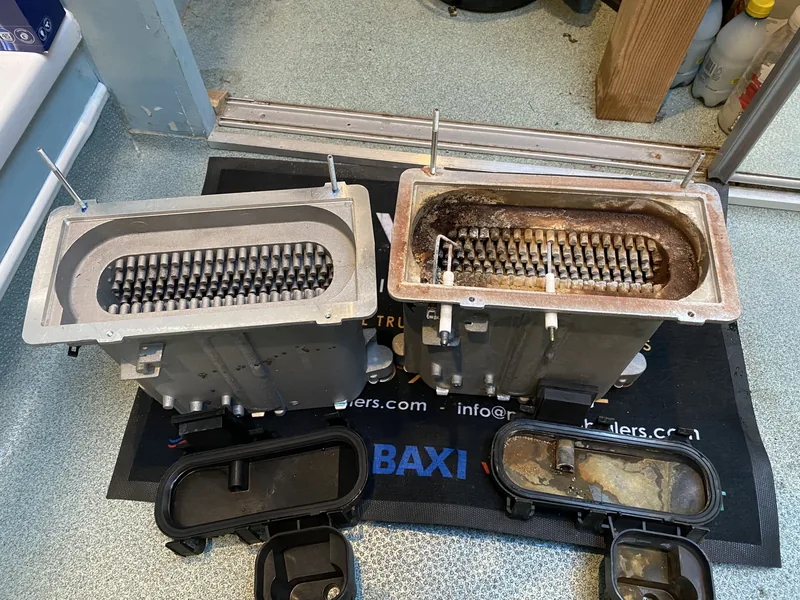
“How much is a boiler service?” sounds like it should have a one-line answer. It doesn’t — because the word “service” covers everything from a genuine 45-minute strip-and-check to a 10-minute look-and-leave that ticks a box. The price gap between those two is exactly why people get confused.
Here’s what a service should actually cost in Southampton, what you should get for the money, and how to spot the cheap ones that aren’t worth having.
What a boiler service should cost in Southampton (2026)
Honest, current local pricing:
- One-off annual service: £70–£120 for a standard combi.
- Service + gas safety certificate (CP12): usually £90–£140 bundled — cheaper than booking the two separately.
- Annual care plan: some engineers (me included) offer a fixed yearly price that works out lower than a one-off, and locks in your slot before the autumn rush.
Two things push the price up legitimately: a system boiler with a separate cylinder takes longer than a combi, and a boiler that’s been neglected for years may need extra cleaning. Anything else — “parts surcharges”, “call-out on top” for a booked service — I’d question.
What a proper service includes (and what a £40 ‘service’ skips)
This is where the money goes. A full service isn’t a visual once-over — it’s a set of measurements and checks. When I service a boiler, here’s what actually happens:
- Flue gas combustion analysis — an electronic analyser on the flue to confirm the boiler is burning gas cleanly and safely. This is the single most important test, and it’s the first thing skipped on a cheap service.
- Gas pressure and flow check at the meter and the appliance.
- Burner and heat exchanger inspection — removing the casing, checking for corrosion, sooting and sludge, and cleaning where needed.
- Safety device testing — flame failure, overheat cut-outs, and the condensate trap.
- Seals and casing integrity — a poor seal can let combustion products escape.
- Expansion vessel pressure — a weak vessel is behind most “my pressure keeps dropping” complaints.
- A written service record at the end, confirming what was checked. You need this for your warranty.
A “service” that’s done in ten minutes with no analyser in sight has skipped most of that list. It might keep a warranty technically valid, but it won’t catch the problems a service exists to catch.
How long should it take?
Budget 45 to 60 minutes for a standard combi, a bit longer for a system or conventional boiler with a cylinder. If your previous engineer was always in and out in a few minutes, that tells you everything about what you were actually paying for.
Signs your boiler is overdue a service
If it’s been more than 12 months, it’s due regardless of symptoms. But these are the signs I see most often when someone’s left it too long:
- A yellow or orange flame instead of a crisp blue one.
- Banging or gurgling when the heating starts up.
- Pressure that keeps dropping and needs topping up.
- Radiators slow to warm or cold at the bottom.
- A faint smell when the boiler fires.
If you’ve got any of those alongside a flame that isn’t blue, don’t wait for the annual date — book it in. (For more on whether an older boiler is even worth keeping, see my age-by-age replace-or-repair guide.)
Is a service the same as a gas safety check?
No — and this trips up a lot of landlords. A gas safety check (the CP12 certificate) is a legal confirmation that an appliance is safe right now. A service is preventative maintenance: cleaning, efficiency checks, and catching wear early.
If you’re a landlord, the safety certificate is the bit the law requires every 12 months — but a certificate alone won’t stop a breakdown. A service will. I do both in a single visit, which is the cheapest way to stay compliant and keep the boiler healthy. (Details on the legal side are on my gas safety check page and the dedicated landlord certificate page.)
Is it actually worth it?
I’ll be straight: yes, for two concrete reasons, not just because I’d like the work.
One — your warranty. Almost every manufacturer voids the warranty if you skip the annual service. Miss one, and a heat-exchanger failure that should have been a free warranty claim becomes a £700 bill you swallow yourself. The service pays for itself many times over the first time something goes wrong.
Two — timing. A service catches a tired pump or a weak expansion vessel while it’s a cheap, planned fix. Leave it, and the same part fails on the coldest morning of the year — when you’re paying emergency call-out rates and waiting in the cold. I’d much rather find it in May than be your emergency in January.
When to book
The smart time to service is late summer or early autumn — September is ideal. You catch any issues before the heating season, engineers have availability, and you’re not competing with everyone whose boiler has just broken down in the first cold snap.
If you’re overdue, though, the best time is now. A service in May is a service in May — the boiler doesn’t know it’s not winter, and neither does the warranty clock.